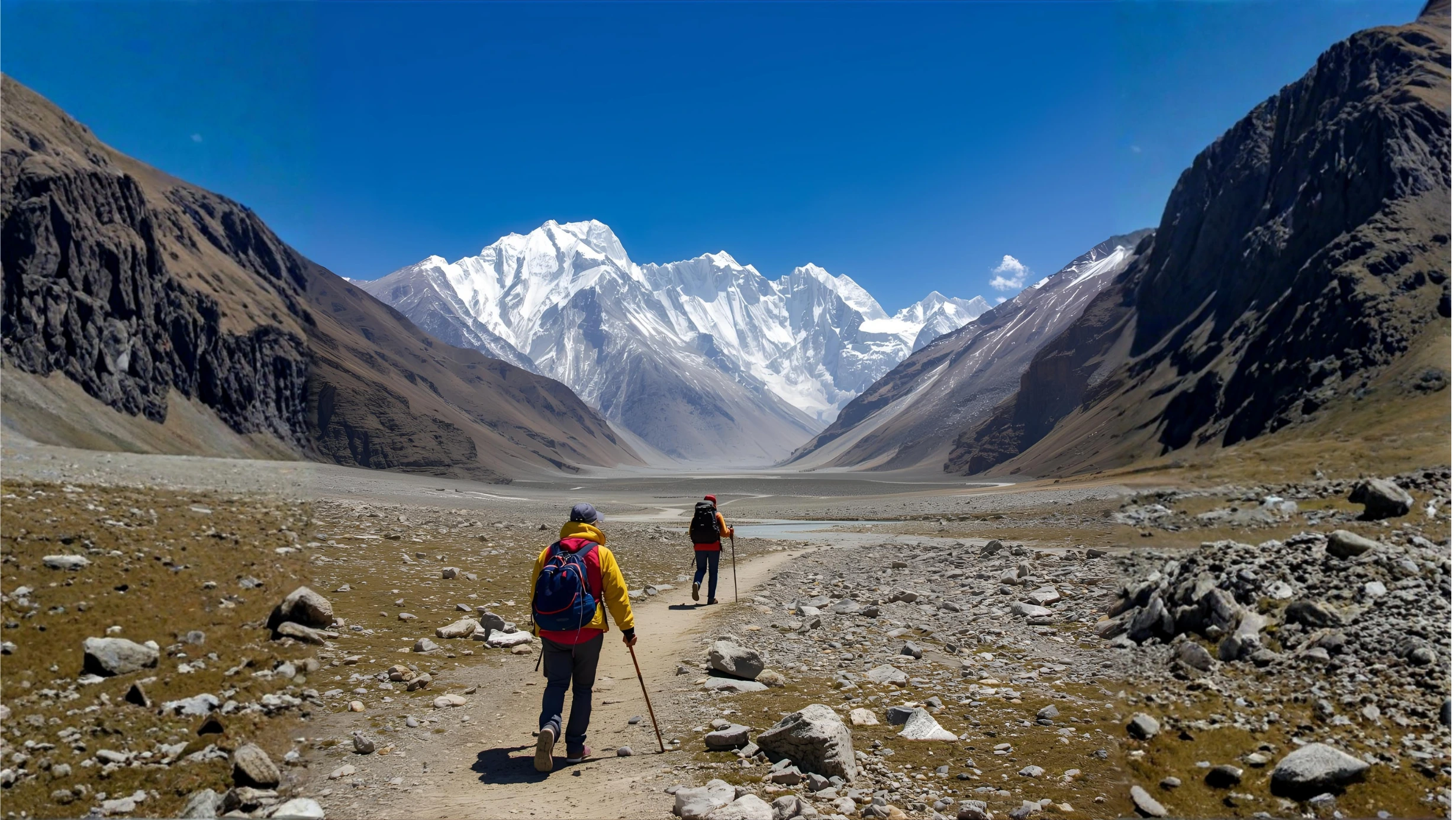
Nepal Solo Treks: Updated Mandatory Guide for Solo Trekkers Logistics
Planning a solo trek in Nepal? Our mandatory guide for solo trekkers logistics covers the new rules, permits, budgeting, and finding a licensed guide.
Your Guide to Solo Trekking in Nepal: Understanding Mandatory Guides
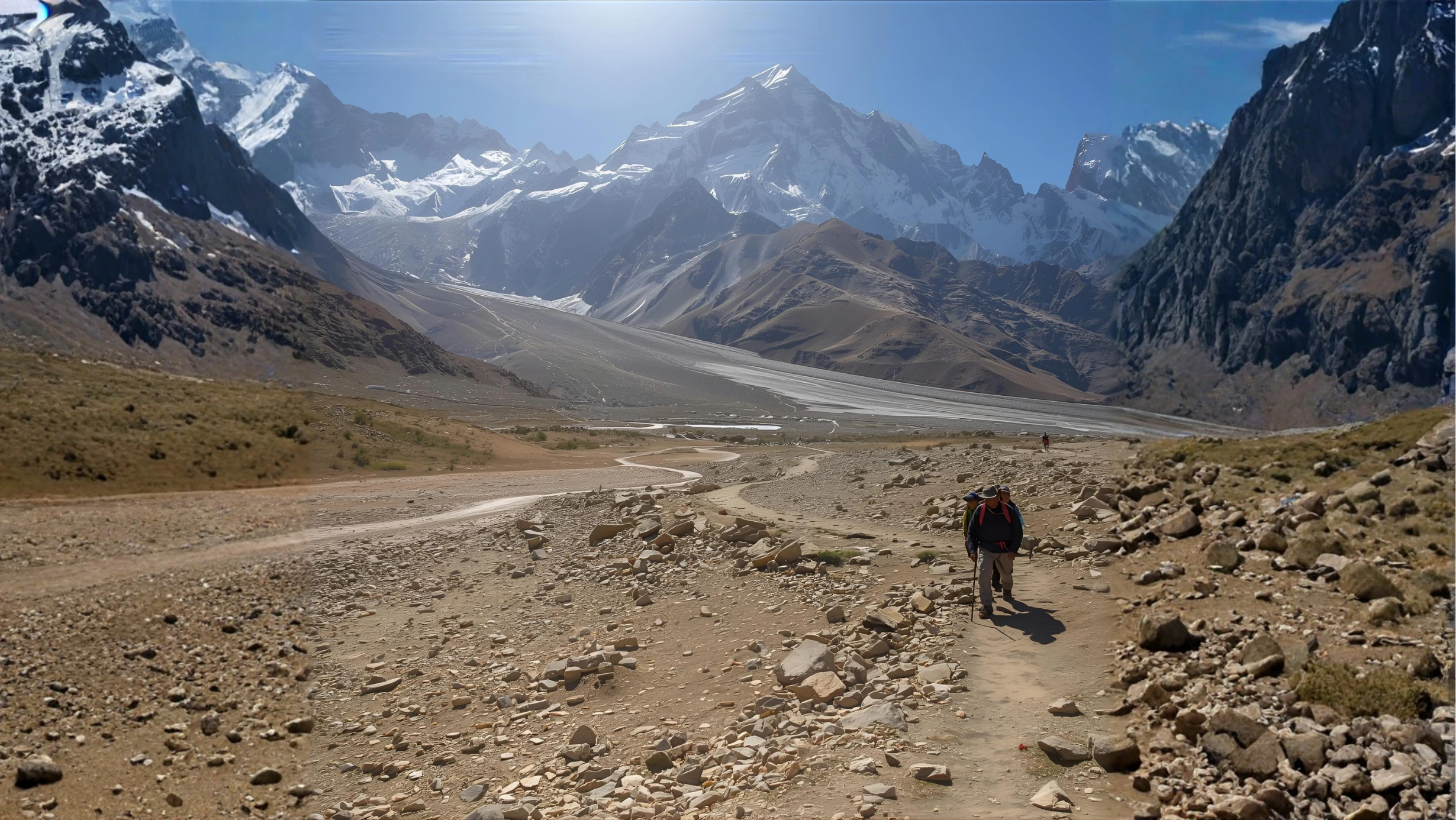
Many dream of trekking alone through Nepal’s stunning landscapes. But how trekkers can explore has changed. This article is your full, expert guide to Mandatory Guide for Solo Trekkers Logistics. It will help you plan a safe, smooth, and truly rewarding trip. With our deep experience at Mantra Holidays, we’ll show you that seeing the Himalayas is not only possible but can be even better with a professional guide.
Key Takeaways
- Since April 2023, foreign trekkers must hire a government-licensed guide on most main routes in Nepal. True solo trekking is no longer allowed in these areas.
- From our view, this change greatly boosts safety, helps local mountain economies with jobs, and offers you a richer cultural link.
- For a great trek, you need to understand the Mandatory Guide for Solo Trekkers Logistics. This means carefully choosing your guide, planning your trip well, and getting all permits correctly.
- Working with a trusted agency like Mantra Holidays offers a full Mandatory Guide for Solo Trekkers Logistics package. This removes stress by giving you a licensed, experienced guide and handling all paperwork.
The New Rules: Why Guides Are Now Essential
The Nepal Tourism Board made guides mandatory because of safety worries we, as local operators, have seen for years. Trekkers getting lost or suffering severe altitude sickness without help led to this key change. This new rule is mainly about your safety and well-being. A licensed Nepali guide acts as your emergency helper, cultural link, and travel expert. They are trained to spot early signs of Acute Mountain Sickness (AMS). They know the trails well and can handle unexpected problems. This policy also makes sure that tourism money directly helps mountain towns, giving stable jobs to thousands of skilled local people.
Don’t see this as losing freedom; see it as gaining a vital key to the Himalayas. Your guide opens up a richer, more real experience. They share local stories, point out hidden wildlife, and help you connect with the wonderful people you meet in teahouses. You still decide your pace and daily plans; you just have a trusted local expert with you to ensure your trip is the best and safest.
Your Checklist for Solo Trekking Logistics
Planning a trek in Nepal has many key steps. Here’s our proven, step-by-step guide to **how to plan Mandatory Guide for Solo Trekkers Logistics**. It turns a tricky process into the adventure of a lifetime.
Step 1: Choosing the Right Trek for a Solo Adventurer
Not all Himalayan trails are the same, especially for a solo traveler with a guide. The first step in creating your ideal Mandatory Guide for Solo Trekkers Logistics itinerary is to pick a route that fits your fitness, interests, and schedule.
- Popularity vs. Solitude: Popular routes like Everest Base Camp or the Annapurna Circuit have good teahouses and other trekkers, which can be comforting. If you want more quiet and less-traveled paths, treks like Mardi Himal or the Langtang Valley offer stunning views with fewer people.
- Duration, Difficulty, and Season: Be honest about your fitness and how much time you have. A shorter, 5-7 day trek like Poon Hill is a great start. But the tough Three Passes Trek needs top fitness and more than two weeks. Clearly, the best season for Mandatory Guide for Solo Trekkers Logistics is during the stable, clear skies of Spring (March-May) and Autumn (September-November).
- Your Core Interests: What pulls you to the Himalayas? Is it the grand, high-altitude views of huge 8,000-meter peaks? Or the rich culture and varied landscapes of the Annapurna region? We always tell our clients to pick a trek that matches their passion for the most rewarding experience.
Step 2: The Most Crucial Decision – Vetting and Hiring Your Licensed Guide
This is the biggest change for your Mandatory Guide for Solo Trekkers Logistics. You can no longer just show up and hire a guide. You must hire a government-licensed expert through a registered trekking agency. This rule protects you, ensuring guides are responsible and professional.
What to look for in a guide (and what Mantra Holidays guarantees):
- Government License: This is a must-have. It shows they have official training in safety, navigation, and first aid. We check that every guide’s license is up-to-date.
- Proven Experience on Your Chosen Trail: A guide who has done the Everest Base Camp trek many times knows every good viewpoint, every possible danger, and every teahouse owner by name. This local knowledge is priceless.
- Wilderness First-Aid and AMS Training: Ask for proof of their emergency training. We require and check regular Wilderness First-Aid (WFA) certification for all our guides.
- Strong Communication Skills: Good English is key for daily talks and very important in an emergency.
- Comprehensive Insurance: Their agency must fully insure your guide. All our staff have full insurance.
By booking your trek with Mantra Holidays, you remove all guesswork and risk. We have a team of experienced, licensed, and friendly guides. We carefully match your guide to your personality and trekking style. This ensures you have a supportive partner for your Himalayan trip.
Step 3: Understanding Permits – TIMS and National Park Fees
Getting the right permits is a key, often confusing, part of your Mandatory Guide for Solo Trekkers Logistics. Trying to handle this paperwork alone can cause delays and frustration.

- TIMS Card (Trekkers’ Information Management System): This green card (for guided trekkers) is required. It helps officials track trekkers for safety. It costs NPR 2,000 (about $15 USD). Only a registered agency can issue it.
- National Park/Conservation Area Permits: You will also need a special entry permit for the area you’re trekking. For example, the Sagarmatha National Park permit for the Everest region costs NPR 3,000. The Annapurna Conservation Area Project (ACAP) permit costs the same.
Our expert tip: let us take care of this. When you work with Mantra Holidays, we handle all the paperwork smoothly. You just give us your passport details and photos. We then bring the finished permits directly to your Kathmandu hotel. It’s a key part of our stress-free service.
Step 4: A Realistic Budget for Your ‘Solo’ Trek
Knowing the Mandatory Guide for Solo Trekkers Logistics cost is vital for a smooth trip. Here’s a realistic, expert breakdown of costs for a typical teahouse trek:
- Guide Fee: Expect to pay $25 – $35 per day. This fee includes their pay, food, lodging, and insurance.
- Your Accommodation: $5 – $10 per night for a basic twin room in a teahouse. Prices are lower at the start of your trek and get higher as you go up.
- Your Food and Drinks: Budget $30 – $40 per day. A filling plate of Dal Bhat (the trekker’s super-fuel) might cost $5 at lower places and $10 near a base camp. Bottled water, tea, and snacks will add to the cost.
- Permits: A one-time cost, as detailed above, handled by your agency.
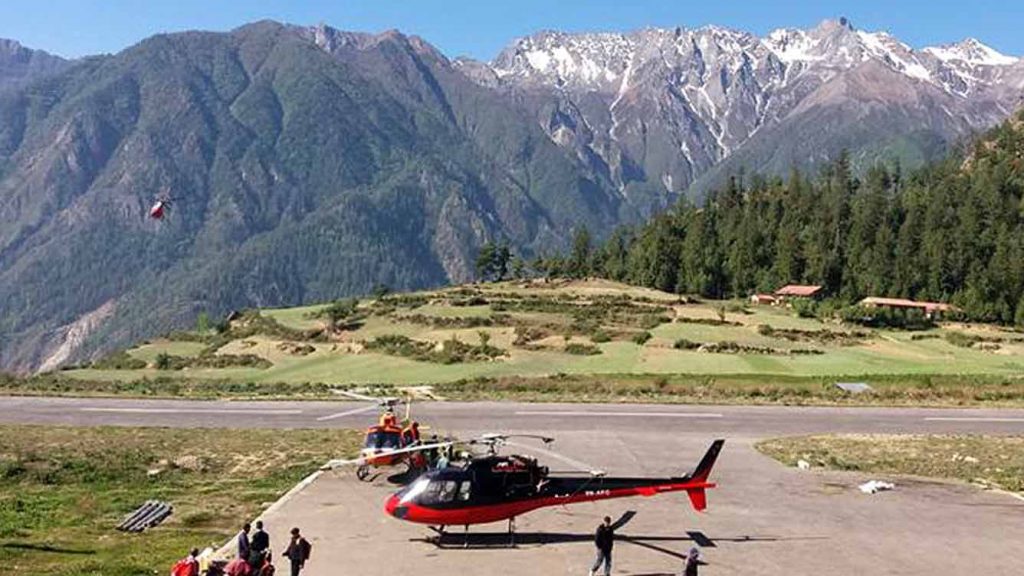
- Transportation: This cost changes a lot. A local bus to the Annapurna region might be $10-15. But the flight to Lukla for the Everest trek is a big cost (around $400-500 round trip).
- Miscellaneous: Plan for extras like hot showers ($3-5), charging electronics ($2-5), occasional Wi-Fi, and a tip for your guide. (A normal tip is 10-15% of their total fee, given after a good trek).
Total Estimated Daily On-Trail Cost: $70 – $95 USD. This estimate excludes permits, major transportation like flights, and tips.
Physical and Mental Preparation: Getting Ready for the Trail
The Himalayas deserve your respect, and good preparation shows it. You don’t need to be a top athlete, but good heart and lung fitness is key for both fun and safety.
- Cardiovascular Endurance: Do activities like running, cycling, swimming, or hiking uphill for 45-60 minutes, 3-4 times a week. Your goal is to get your body ready for long days in thinner air.
- Strength Training: A strong body is key. Work on leg and core strength with exercises like squats, lunges, and planks. A strong core helps your balance on rough ground and lessens strain from your daypack.
- Hike-Specific Training: The best way to train for hiking is, of course, hiking. If you can, do several long day hikes with a heavy backpack. Try to do this on varied or hilly ground to get used to trail conditions.
- Mental Resilience: Some days on the trail will be hard. You’ll deal with tiredness, cold, and steep climbs. Staying positive and pushing through discomfort is as important as being physically fit.
The Ultimate Packing List for the Solo Trekker
Pack smart. Carry only what you need, making sure every item is vital. Here’s our checklist, tested on the trail:
- Clothing (Layering is the Golden Rule): Thermal base layers (top and bottom), a fleece middle layer, a waterproof/windproof outer jacket, an insulated down jacket for cold nights, 2 pairs of trekking pants, waterproof pants, several pairs of good wool/synthetic hiking socks, and comfy clothes for teahouse evenings.
- Footwear: Hiking boots that are already broken in, waterproof, and give good ankle support. Do not come to Nepal with brand-new boots. Also, bring comfy camp shoes or sandals for evenings.
- Essential Gear: A 40-50L backpack, trekking poles (a must to save your knees), a reusable water bottle and a purification system (filter or tablets), a headlamp with extra batteries, polarized sunglasses, a sun hat, a warm beanie, and insulated gloves.
- First-Aid & Toiletries: A personal medical kit with blister treatment (e.g., Compeed), pain medicine, antiseptic wipes, any personal prescriptions, sunscreen, lip balm, and basic toiletries.
- Documents & Money: Your passport, Nepal visa, travel insurance details, and enough cash (NPR) for the whole trek. Keep these key items in a waterproof bag.
Safety First: Altitude Sickness, Communication, and Insurance
Your safety is our top priority. This is when an experienced, professional guide proves most valuable.
Altitude Sickness (AMS)
Acute Mountain Sickness (AMS) is a serious risk above 2,500 meters. Handling it well is a must for Mandatory Guide for Solo Trekkers Logistics. Our safety plan focuses on prevention:
- Ascend Slowly: A slow, steady pace is the best way to get used to the altitude. Your guide will set a good pace, making sure you don’t go “too high, too fast.”
- Build in Acclimatization Days: Good plans include rest days at certain heights to let your body adjust. Never skip these days.
- Hydrate Relentlessly: Drink at least 3-4 liters of water daily. Staying hydrated can greatly ease AMS symptoms.
- Communicate Symptoms Immediately: Know the signs: headache, sickness, dizziness, and unusual tiredness. If you feel any of these, tell your guide at once. The main rule is to never go higher if you still have AMS symptoms. For more reading, we trust sources like the CDC’s guide on high-elevation travel.
Communication & Insurance
While cell service is getting better, it’s still not reliable in the mountains. We suggest getting a local Ncell or NTC SIM card in Kathmandu for signal where possible. For treks in remote areas, your guide has emergency communication. Most importantly, let us be clear: full travel insurance is not optional, it is required. Your policy must clearly cover trekking up to your chosen route’s highest point. It must also include helicopter rescue. We personally check every client’s policy to make sure it meets these key safety rules.
Why Mantra Holidays is Your Best Travel Partner
Understanding Nepal’s new trekking rules can be hard. That’s why we created our full Mandatory Guide for Solo Trekkers Logistics package. We are your expert partners in Kathmandu, handling every detail so you can focus just on the adventure ahead.
- Local Expertise & Trust: As a government-licensed company based in Kathmandu, this is our home. We have deep, unmatched knowledge of the trails, local communities, and all travel arrangements.
- We Hand-Pick Your Perfect Guide: We don’t just find you *a* guide. We match you with the *right* guide from our team of loyal, highly-trained, and well-paid experts.
- A Genuinely Hassle-Free Process: Our Mandatory Guide for Solo Trekkers Logistics package covers everything. From airport rides and hotel bookings to all permits and local travel, we carefully manage every detail.
- 24/7 On-Call Support: Our team in Kathmandu is your lifeline. Your guide has a direct link to our office. If any issue comes up, we are ready to quickly and effectively respond.
Your solo Himalayan adventure awaits. The mountains are calling. Let us handle the complex planning so you can answer that call with full confidence and peace of mind. Contact Mantra Holidays today to start planning your journey.
Frequently Asked Questions
Is it truly mandatory to hire a guide for solo trekking in Nepal now?
Yes, as of April 1, 2023, the Nepal Tourism Board has made it mandatory for all foreign trekkers to hire a licensed guide for most trekking routes. This policy was implemented to enhance trekker safety, reduce incidents of missing trekkers, and ensure tourism contributes directly to the local economy. Some specific restricted areas have always required guides, but this rule now applies more broadly. Trekking without a guide can result in being denied entry at checkpoints.
How much does a licensed guide cost per day in Nepal?
The daily rate for a professional, licensed trekking guide typically ranges from $25 to $35 USD. This fee includes the guide’s salary, food, accommodation, and insurance. The price can vary slightly based on the guide’s experience and the remoteness of the trek. Be wary of offers significantly below this range, as they may indicate the person is unlicensed, uninsured, or not being paid a fair wage.
What permits do I need for a solo trek and can I get them myself?
You generally need two types of permits: a TIMS (Trekkers’ Information Management System) card and a National Park or Conservation Area Permit specific to your trekking region. Under the new regulations, TIMS cards for individual trekkers must be processed through a registered trekking agency. While you could technically get the National Park permits yourself in Kathmandu, it’s far more efficient and reliable to have your agency, like Mantra Holidays, handle all the paperwork for you as part of the logistics package.
Is it safe for a solo female trekker in Nepal with a guide?
Yes, Nepal is widely regarded as a very safe destination for solo female travelers, and hiring a professional guide enhances that safety significantly. Reputable agencies like Mantra Holidays have a strong vetting process for their guides, ensuring they are professional, respectful, and experienced in trekking with international clients of all backgrounds. A guide provides a layer of security, handles logistics, and bridges any cultural or language gaps, allowing you to focus fully on the trekking experience with peace of mind.
What’s the difference between a guide and a porter-guide?
A guide is a licensed professional responsible for navigation, safety, cultural interpretation, and managing logistics like booking teahouses. They typically carry only their own personal gear. A porter’s primary role is to carry your main backpack (usually up to 15kg). A porter-guide is a hybrid role; they will carry a lighter load of your gear (around 10kg) and also perform some guiding duties, though their English and formal training might be less extensive than a dedicated guide’s. For a true solo trekker, a dedicated guide is often the best choice for comprehensive support and expertise.
How does Mantra Holidays ensure the quality and safety of its guides?
At Mantra Holidays, our guides are the core of our business. We ensure quality and safety through a rigorous process: 1) We only hire government-licensed and experienced guides. 2) All guides undergo regular Wilderness First Aid and emergency response training. 3) They are all fully insured. 4) We have a long-standing relationship with our team, ensuring they are well-paid and treated ethically. 5) We match guides to clients based on trekking style and personality to ensure the best possible experience.
Book Your Adventure with Mantra Holidays
Our Office
Hattisar, Kathmandu, Nepal
Get in Touch
- Tel: +977-1-4545597, +977-1-4545598
- Mobile: +977-9801917782, +977-9851019198
- Email:[email protected]