Mardi Himal Trek Popularity Surge: The Ultimate 2025 Guide
Why the Mardi Himal Trek popularity surge is happening. Our ultimate 2025 guide covers the itinerary, costs, permits, and secrets to this stunning trek.
The Secret is Out: Unveiling the Mardi Himal Trek’s Popularity Surge
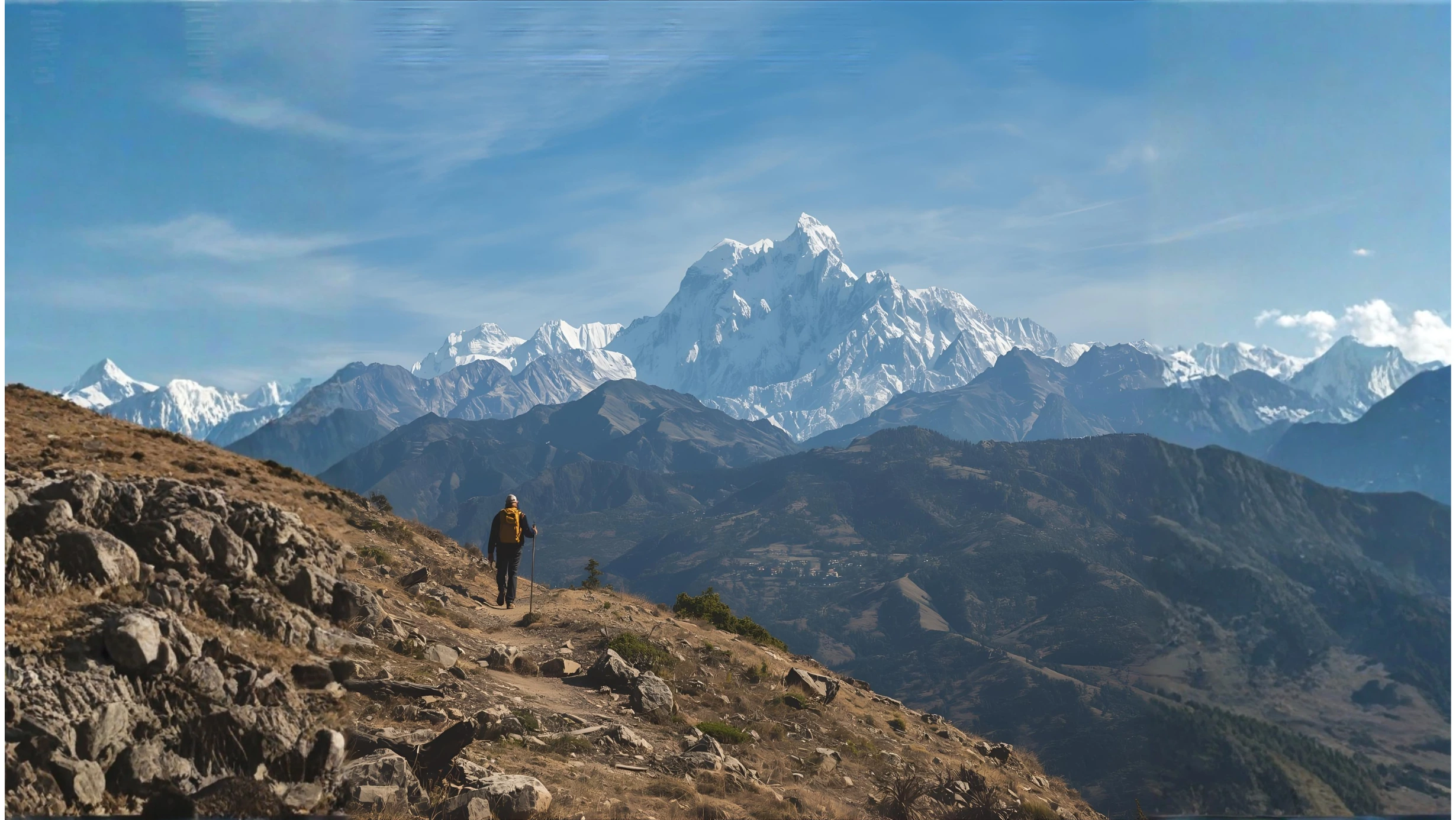
For years, the Mardi Himal Trek was a whispered secret among seasoned trekkers in Nepal, a hidden jewel overshadowed by its giant neighbors, the Annapurna Base Camp and Circuit treks. But the whisper has turned into a roar. The recent Mardi Himal Trek popularity surge is undeniable, transforming this once-quiet trail into one of the most sought-after adventures in the Himalayas. If you’ve seen breathtaking photos of a dramatic, knife-edge ridge leading towards a colossal fishtailed mountain, chances are you’ve already felt the pull of Mardi Himal. But what’s behind this sudden explosion in interest, and how to plan your Mardi Himal Trek Popularity Surge experience for 2025?
Key Takeaways
- Unbeatable Views, Less Time: The trek offers jaw-dropping, close-up views of Machapuchare (Fishtail) and the Annapurna range, comparable to longer treks, but in just 5-7 days.
- The ‘Instagram’ Effect: Its iconic ridge walk and stunning viewpoints have made it a social media sensation, driving a new wave of younger, adventure-seeking travelers.
- A Perfect Balance: It hits the sweet spot of being challenging enough to feel like an accomplishment, yet accessible to first-time trekkers with a good fitness level.
- Improved Infrastructure: The trail now boasts a network of cozy teahouses, making it a comfortable and accessible lodge-based trek without the extreme crowds of Everest.
At Mantra Holidays, we’ve had a front-row seat to the Mardi Himal Trek popularity surge. Our guides, who have walked these paths for decades, have seen the trail evolve. This guide is built on that deep, first-hand experience. We’ll take you beyond the logistics and share the soul of the trek—the crisp mountain air, the warmth of the teahouse stoves, and the sheer awe of standing at Base Camp. This isn’t just about why the trek is popular; it’s about helping you understand its magic and preparing you for an unforgettable journey.
Why Has the Mardi Himal Trek Become So Popular?
The Mardi Himal Trek popularity surge isn’t due to a single factor, but a perfect storm of elements that cater to the modern trekker. From our perspective leading countless groups, here’s the inside scoop on what’s driving this trend:
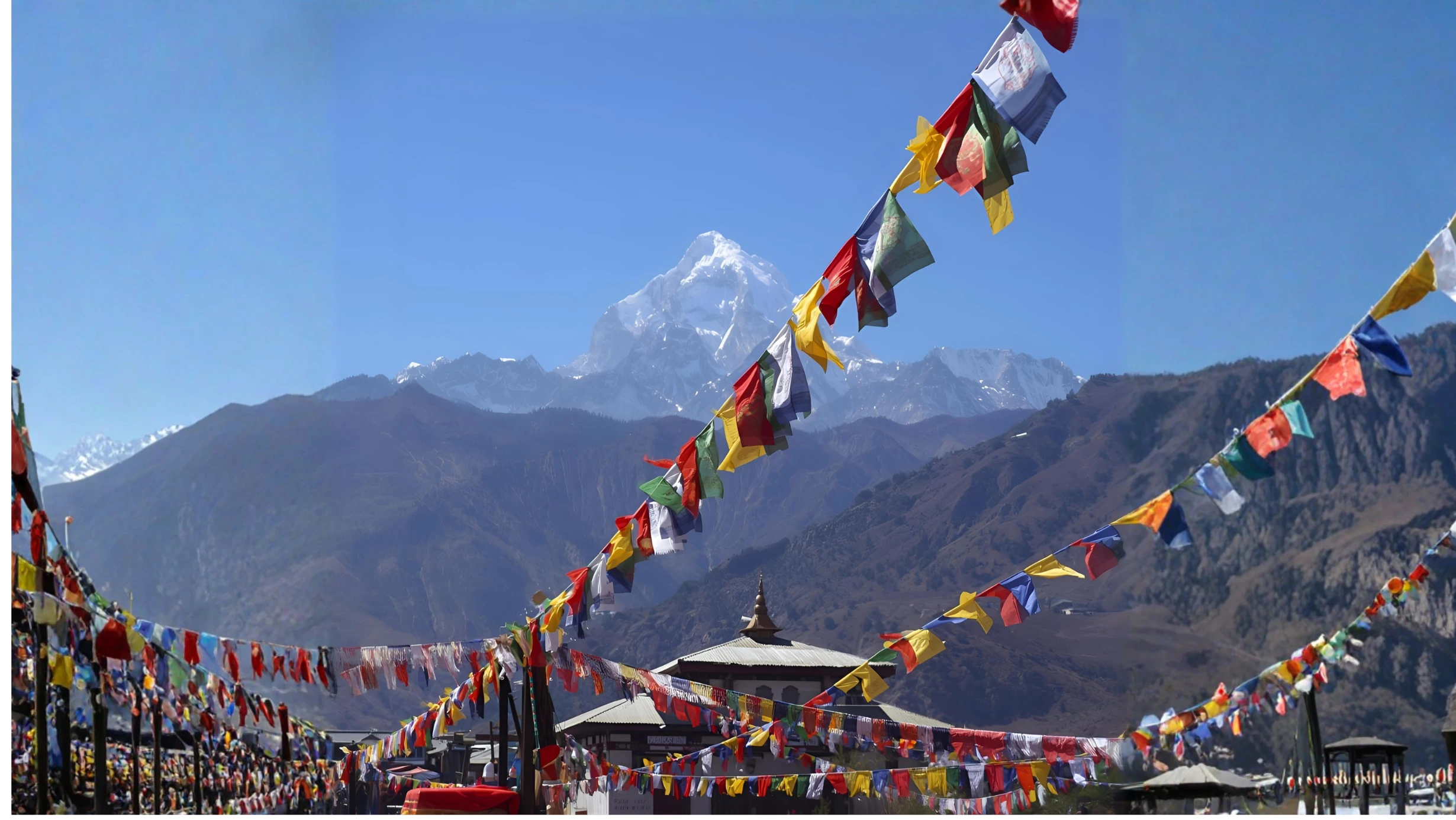
- The Visual Feast: The primary draw is the scenery. The trail follows a ridge, offering continuous, open vistas. Unlike other treks where you walk in valleys looking up, here you feel like you’re walking among the giants. The climax, of course, is the view of Machapuchare, which feels so close you could almost touch it.
- Accessibility from Pokhara: The trek’s starting point is just a short drive from Pokhara, Nepal’s adventure capital. This makes logistics incredibly simple. You can be enjoying Lakeside’s tranquility one morning and be on the trail by lunch.
- The ‘Just Right’ Challenge: For many, the Everest Base Camp trek is too long and the Annapurna Circuit too demanding. Mardi Himal offers a genuine high-altitude experience, reaching 4,500 meters at Base Camp, without the grueling duration or extreme elevations of other classic treks. It’s the perfect introduction to Himalayan trekking.
- Social Media’s Powerful Influence: A picture is worth a thousand words, and a viral reel is worth a thousand bookings. The iconic shot from the ridge between High Camp and Base Camp, with the clouds below and peaks above, has become a must-have photo for travel influencers and enthusiasts, fueling a cycle of discovery and desire.

Highlights of the Journey: More Than Just a Pretty View
While the mountain views are the headliner, the experience behind the Mardi Himal Trek popularity surge is rich with other highlights:
- Enchanting Rhododendron Forests: In the spring (March-April), the lower sections of the trail are a riot of color, as you walk through dense forests of giant rhododendron trees, Nepal’s national flower.
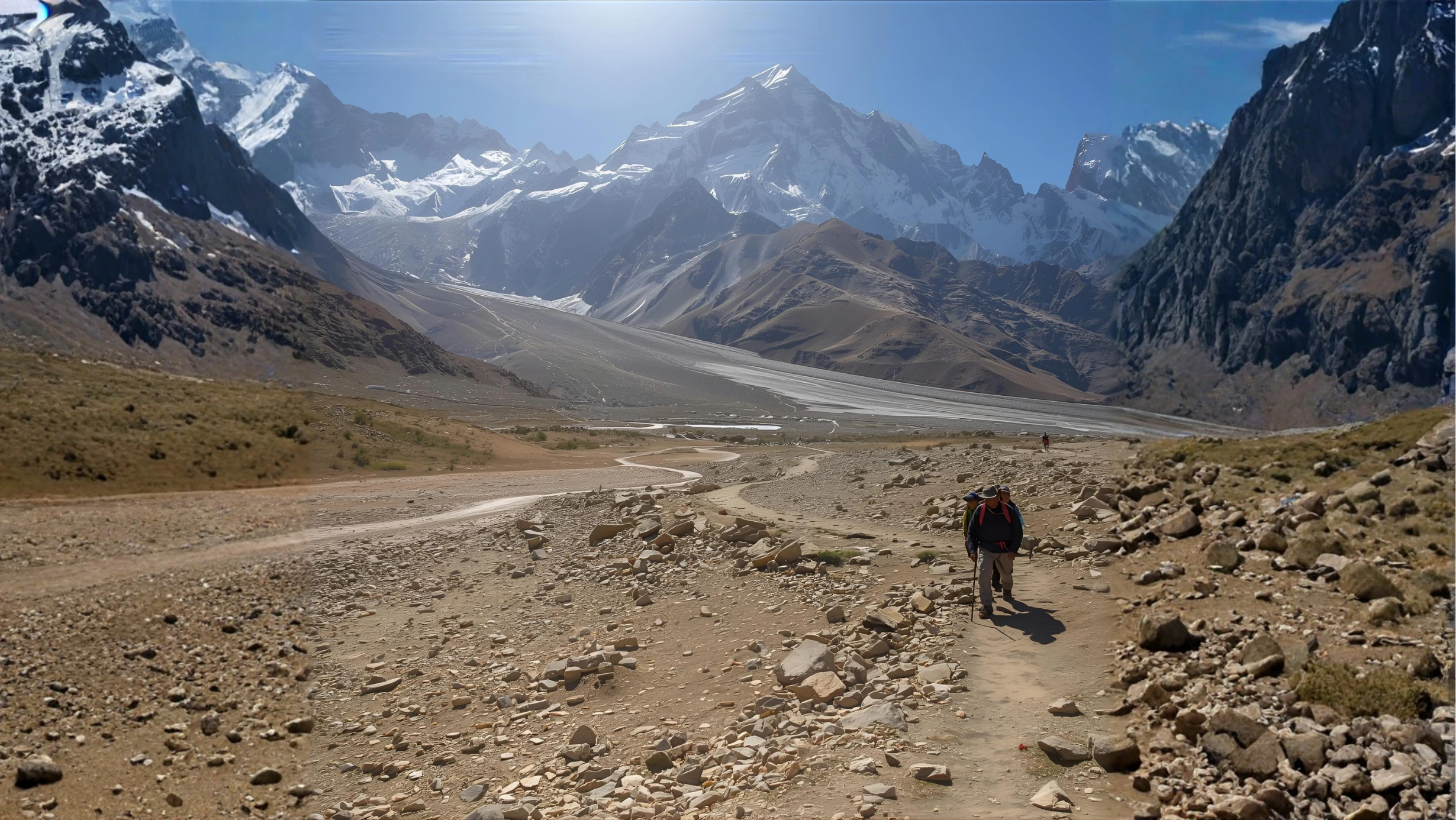
- The Ridge Walk: The section from Low Camp to High Camp is pure magic. You leave the tree line behind and emerge onto an exposed ridge with a panoramic spectacle of the Annapurna Sanctuary unfolding around you.
- Authentic Teahouse Culture: The teahouses on this route are generally smaller and more intimate than on the Everest trail. You’ll share stories with fellow trekkers and your Gurung hosts over steaming plates of dal bhat, offering a genuine taste of mountain hospitality.
- Sunrise from View Point: The pre-dawn hike from High Camp to the View Point (4,200m) is a trekker’s rite of passage. Watching the first rays of sun illuminate Machapuchare, Annapurna South, and Hiunchuli is a moment that will be etched in your memory forever.
The Best Season for Mardi Himal Trek Popularity Surge: A Breakdown
Choosing the best season for Mardi Himal Trek Popularity Surge is crucial for the ultimate experience. A tip we always give our clients is that each season offers a unique personality on the trail.
Spring (March to May)
Pros: This is arguably the most beautiful season. The weather is stable and warm, and the rhododendron forests are in full, spectacular bloom. The mountain views are generally clear, especially in the mornings.
Cons: It can get a bit hazy in the afternoons at lower elevations. As it’s a popular season, the trails and teahouses can be busier.
Autumn (September to November)
Pros: This is the post-monsoon season and the most popular time to trek. The air is crisp and clear, offering the sharpest, most reliable mountain views. The weather is stable, with pleasant daytime temperatures.
Cons: This is peak season. You’ll share the trail with more people, and teahouses, especially at High Camp, can be fully booked. It’s essential to book your trip with an agency like Mantra Holidays to secure accommodation.
Winter (December to February)
Pros: For the adventurous, winter offers solitude and exceptionally clear skies. The snow-dusted landscape is breathtaking, and the trails are blissfully quiet.
Cons: It’s cold, especially at night, with temperatures at High Camp dropping well below freezing. Snowfall can block the trail to Base Camp, so flexibility is key. You’ll need proper winter gear.
Monsoon (June to August)
Pros: The landscape is incredibly lush and green. You’ll have the trails almost to yourself.
Cons: This is the least recommended season. The views are often obscured by clouds, the trails are muddy and slippery, and leeches are common at lower elevations. There’s also a higher risk of landslides.
Your Detailed Mardi Himal Trek Popularity Surge Itinerary
This is a typical Mardi Himal Trek Popularity Surge itinerary we follow, designed for proper acclimatization and maximum enjoyment. Our complete package handles all logistics, so you can focus on the beauty around you.
Day 1: Arrival in Kathmandu (1,400m)
Welcome to Nepal! A Mantra Holidays representative will meet you at the airport and transfer you to your hotel. We’ll hold a pre-trek briefing in the evening to discuss the adventure ahead and answer all your questions.
Day 2: Drive to Pokhara (822m)
We take a scenic 6-7 hour tourist bus ride to Pokhara. The journey itself is an experience, winding through river valleys and past rural villages. Once in Pokhara, we’ll check into our hotel, and you can enjoy a peaceful evening by Phewa Lake.
Day 3: Drive to Kande (1,770m) and Trek to Forest Camp (2,500m)
After breakfast, a one-hour drive takes us to Kande, the starting point of our trek. The trail begins with a climb, passing through picturesque villages and terraced fields to Australian Camp. From there, we enter the enchanting forest, following a quieter path towards Pothana and then onwards to Forest Camp. It’s a solid day of walking that gets you right into the rhythm of trekking. (Trekking Time: 6-7 hours)
Day 4: Trek to Low Camp (2,990m)
Today, the landscape begins to change. We continue our climb through the dense forest, which is often called ‘magic forest’ by locals due to the moss-covered trees and misty atmosphere. As we gain altitude, the trees get smaller, and on a clear day, we get our first tantalizing glimpses of the mountains. Low Camp offers a superb view of Machapuchare. (Trekking Time: 4-5 hours)
Day 5: Trek to High Camp (3,580m)
This is a spectacular day. We leave the tree line behind and emerge onto the open ridge. The path is grassy and sometimes narrow, with breathtaking views on both sides. To your left, you’ll see the Modi Khola valley leading to the Annapurna Sanctuary; to your right, the hills stretching towards Pokhara. The mighty Annapurna South, Hiunchuli, and Machapuchare are constantly in view, getting closer with every step. We reach High Camp for lunch, a cluster of lodges perched on the ridge. (Trekking Time: 3-4 hours)

Day 6: Hike to Mardi Himal Base Camp (4,500m) and Return to High Camp
The main event! We start before dawn, headtorches lighting the way, to reach the Upper View Point (4,200m) for sunrise. The 360-degree panorama is one of the best in the Himalayas. From here, the trail becomes more challenging, a narrow and sometimes rocky path leading to Base Camp. Reaching the sign at 4,500m, with Mardi Himal and Machapuchare towering above you, is an exhilarating feeling. We soak in the achievement before carefully retracing our steps back to High Camp for a well-deserved rest. (Trekking Time: 7-8 hours round trip)
Day 7: Trek to Siding (1,885m)
Today we take a different route down, descending steeply towards the traditional village of Siding. This path is less trodden and offers a different perspective, taking you back into the lush forest and alongside the Mardi Khola river. Siding is a lovely Gurung village, giving you a glimpse into local life away from the main trekking trail. (Trekking Time: 6-7 hours)
Day 8: Trek to Lumre and Drive back to Pokhara
Our final, easy day of trekking takes us along the river valley to the road head at Lumre. From here, we take a 2-hour jeep ride back to Pokhara. It’s time for a hot shower, a celebratory dinner, and a comfortable bed! (Trekking Time: 3 hours)
Day 9: Drive back to Kathmandu
We retrace our journey back to Kathmandu by tourist bus, carrying with us incredible memories and a profound sense of accomplishment. Mantra Holidays will host a farewell dinner for you in the evening.
Day 10: Final Departure
We will transfer you to the airport for your flight home.
Mardi Himal Trek Popularity Surge Cost and Budgeting for 2025
Understanding the Mardi Himal Trek Popularity Surge cost is a key part of how to plan your adventure. While our all-inclusive Mardi Himal Trek Popularity Surge package is the easiest way, here’s a general breakdown of what to expect if you were to arrange it independently:
- Permits: You’ll need two permits: the Annapurna Conservation Area Permit (ACAP) which costs around USD 30, and the Trekkers’ Information Management System (TIMS) card, also around USD 20.
- Guide/Porter: A licensed guide will cost approximately USD 25-30 per day. A porter will cost USD 20-25 per day. From our experience, hiring a guide is essential for safety and a richer experience.
- Transport: The tourist bus from Kathmandu to Pokhara is about USD 10-25 each way. The private jeep from Pokhara to Kande and from Lumre back to Pokhara will be around USD 50-70 in total.
- Accommodation: Teahouses on the trail are basic but comfortable, costing USD 5-10 per night for a twin room.
- Food and Water: This will be your biggest daily expense. Budget around USD 25-40 per day. Prices increase with altitude. A plate of dal bhat might be USD 5 at lower elevations and USD 8 at High Camp.
Booking a Mardi Himal Trek Popularity Surge package with us consolidates these costs and ensures you have the best guides, pre-booked accommodation, and safe transportation, letting you trek worry-free.
How to Plan Mardi Himal Trek Popularity Surge: Fitness and Preparation
The trek behind the Mardi Himal Trek popularity surge is rated as moderate. You don’t need technical climbing skills, but understanding how to plan your physical preparation is key. The trails involve long, steep ascents and descents, so a good level of cardiovascular fitness is essential. We recommend preparing with:
- Cardio Training: 3-4 times a week, focus on activities like running, cycling, or swimming for at least 45 minutes.
- Strength Training: Build leg and core strength with squats, lunges, and planks.
- Hiking Practice: The best preparation is hiking. If possible, do some day hikes in your local area, preferably with hills and carrying a small backpack.
Essential Packing List for Your Mardi Himal Trek Popularity Surge
Clothing
- Waterproof/windproof jacket and trousers
- Down jacket for cold evenings
- Several layers of fleece
- Moisture-wicking base layers (trekking shirts)
- Comfortable trekking trousers
- Shorts for lower elevations
- Warm hat, gloves, and scarf
- Sun hat and sunglasses
- Several pairs of warm hiking socks
Gear & Footwear
- Sturdy, broken-in hiking boots
- Comfortable shoes/sandals for teahouses
- Trekking poles (highly recommended)
- Daypack (30-40 liters)
- Headlamp with spare batteries
- Reusable water bottle or hydration pack
- Basic first-aid kit (including blister treatment)
Documents & Miscellaneous
- Passport and visa
- Travel insurance details (mandatory)
- Cash (NPR) for snacks, drinks, and tips
- Sunscreen and lip balm
- Toiletries and a quick-dry towel
- Book, cards, or other entertainment for evenings
Safety During the Mardi Himal Trek Popularity Surge: Altitude Sickness
Altitude sickness is a genuine concern during the Mardi Himal Trek popularity surge, as more trekkers reach 4,500m. While not as high as EBC, this altitude requires respect. Our guides are trained to spot the early signs of Acute Mountain Sickness (AMS).
Key Symptoms: Headache, nausea, dizziness, fatigue.
Our Prevention Strategy:
- Go Slow: Our itinerary is specifically designed to allow for gradual ascent and acclimatization.
- Stay Hydrated: Drink at least 3-4 liters of water per day. A great tip is to drink garlic soup, a local remedy.
- Eat Well: Keep your energy levels up with plenty of carbohydrates.
- Communicate: Always tell your guide how you are feeling. A minor headache is common, but it’s crucial to monitor it.
Your safety is our absolute priority. We carry first-aid kits and have emergency protocols in place.
Permits and Regulations for the Mardi Himal Trek Popularity Surge
Trekking in the Annapurna region requires two permits: the Annapurna Conservation Area Project (ACAP) permit and the Trekkers’ Information Management System (TIMS) card. For more information on conservation efforts, you can visit the official page for the Annapurna Conservation Area. When you book a Mardi Himal Trek Popularity Surge package with Mantra Holidays, we handle all the paperwork. We’ll collect your passport details and photos in advance, so your permits are ready and waiting for you, ensuring a seamless start to your trek.
Why Book Your Mardi Himal Trek Popularity Surge Package with Mantra Holidays?
In the wake of the Mardi Himal Trek popularity surge, choosing the right operator has never been more important. As a local Nepali company, the Himalayas are our home, not just our office. Our guides are not just employees; they are family, with intimate knowledge of the trails, the culture, and the weather patterns. We don’t just take you on a trek; we immerse you in the experience, ensuring your safety, comfort, and enjoyment every step of the way. We secure the best teahouses, provide nutritious meals, and our safety standards are second to none. By trekking with us, you are also supporting a local economy and a team that is passionate about sustainable tourism. Let us show you the magic of Mardi Himal, the way only a local expert can.
Frequently Asked Questions
What is the main reason for the Mardi Himal trek’s recent popularity surge?
The primary drivers are its stunning, ‘Instagrammable’ scenery, especially the close-up views of Machapuchare from the ridge trail, combined with its relatively short duration (5-7 days). It offers a ‘big mountain’ experience comparable to longer treks but is far more accessible for those with limited time or new to high-altitude trekking.
How difficult is the Mardi Himal trek compared to Everest Base Camp?
Mardi Himal is considered a moderate trek and is significantly easier than the Everest Base Camp (EBC) trek. The duration is shorter, the maximum altitude is lower (4,500m vs 5,364m), and the daily trekking hours are generally less. It serves as an excellent introductory trek for those wanting a taste of the Himalayas before committing to a more strenuous trek like EBC.
What is a realistic budget for the Mardi Himal trek in 2025?
If trekking independently, a realistic budget is around $40-$60 USD per day on the trail, covering food, water, and basic accommodation. This excludes permits ($50 total), guide/porter fees ($45-$55 per day combined), and transportation to and from the trailhead. An all-inclusive package from a local agency like Mantra Holidays typically offers better value and convenience.
Is it possible to do the Mardi Himal trek without a guide?
While the trail is well-defined, hiring a guide is highly recommended for safety, especially with the recent popularity surge. A guide ensures you have pre-booked accommodation (which is crucial at crowded High Camp), navigates any tricky sections, monitors for altitude sickness, and enriches your experience with local knowledge. Since 2023, Nepal has made guides mandatory for most foreign trekkers.
What kind of food and accommodation can I expect on the trek?
Accommodation is in basic teahouses with twin-bedded rooms and often shared bathrooms. They are cozy and communal. Food is surprisingly varied, with the staple being Dal Bhat (lentil soup, rice, and vegetables), which offers unlimited refills. You can also find pasta, noodles, pizza, and hearty breakfast options like porridge and eggs. Expect to pay more for food as you gain altitude.
How serious is the risk of altitude sickness on the Mardi Himal trek?
The risk is moderate. The trek ascends to 4,500 meters (14,763 feet), an altitude where Acute Mountain Sickness (AMS) is a possibility. However, a well-planned itinerary with gradual ascent, like the one we provide, significantly minimizes the risk. The key is to walk slowly, stay hydrated, and communicate any symptoms like headaches or nausea to your guide immediately.
Book Your Adventure with Mantra Holidays
Our Office
Hattisar, Kathmandu, Nepal
Get in Touch
- Tel: +977-1-4545597, +977-1-4545598
- Mobile: +977-9801917782, +977-9851019198
- Email:[email protected]