Upper Mustang Restricted Area Permit Guide for 2026
Your essential upper mustang restricted area permit guide. Unlock Nepal’s Forbidden Kingdom! Get all costs, requirements & tips for a seamless 2026 adventure.
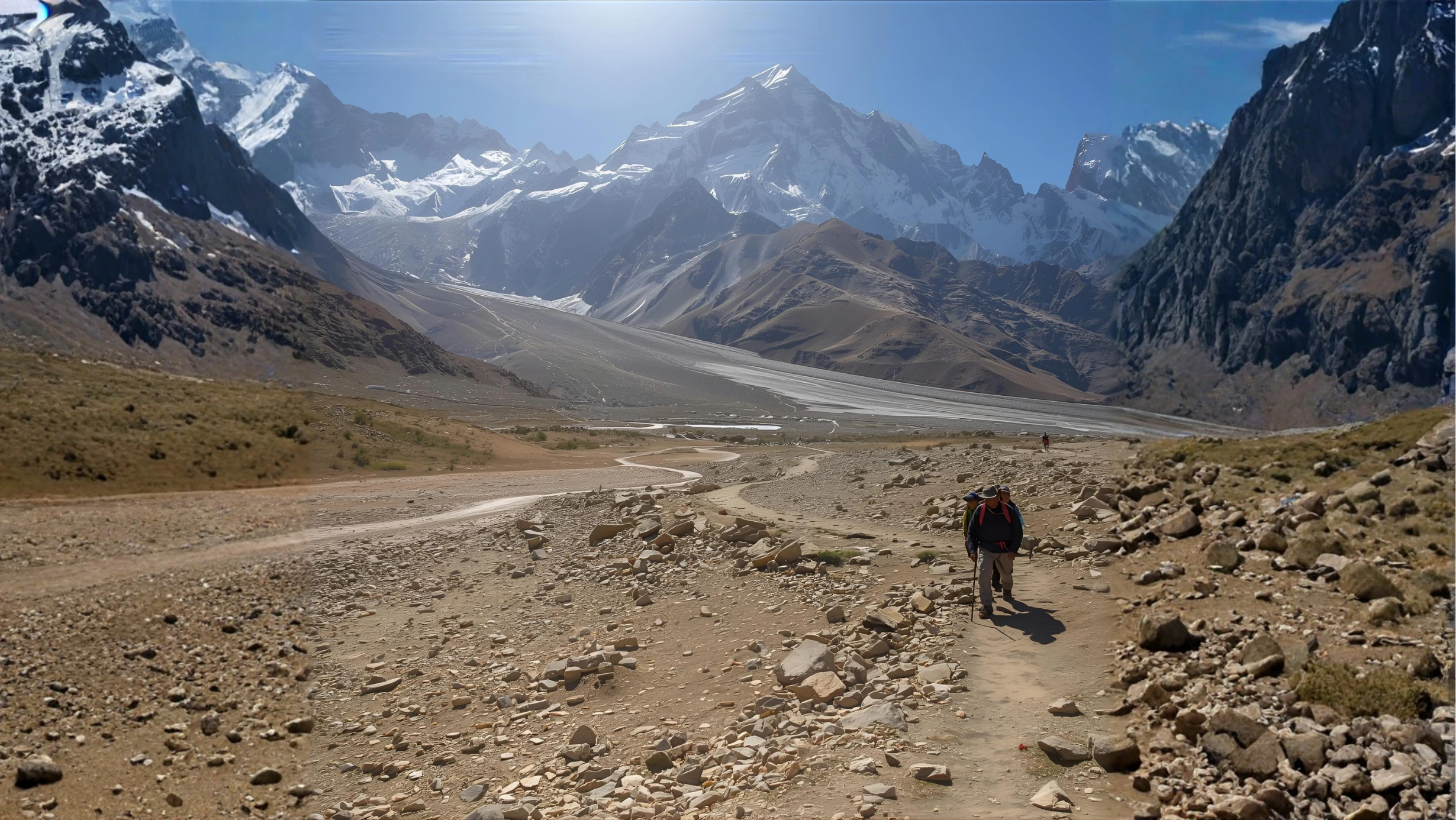
Imagine a place locked away from the world for centuries, a hidden kingdom of stark, wind-eroded canyons, ancient monasteries clinging to cliffs, and a culture preserved in time. This is Upper Mustang, Nepal’s ‘Forbidden Kingdom of Lo.’ This comprehensive upper mustang restricted area permit guide is your key to unlocking that privilege. We’ll detail how to plan your upper mustang restricted area permit guide adventure, breaking down the cost, itinerary, and requirements for a seamless 2026 trip.
Key Takeaways
- Permit Cost: The total upper mustang restricted area permit guide cost includes a USD 500 Restricted Area Permit (RAP) for the first 10 days, plus an Annapurna Conservation Area Permit (ACAP) for NPR 3,000.
- Mandatory Requirements: You cannot trek solo. Planning your upper mustang restricted area permit guide journey requires a minimum of two trekkers, a licensed guide, and a registered Nepali travel agency.
- Best Time to Go: Unlike other Nepal treks, the best season for an upper mustang restricted area permit guide trek is during the monsoon (June to August) as it lies in a rain shadow.
- Cultural Preservation: The high permit fee and strict rules are in place to protect the unique Tibetan Buddhist culture and fragile ecosystem of the region.
Why is Upper Mustang a Restricted Area? Understanding the ‘Forbidden Kingdom’
For centuries, Upper Mustang was an independent kingdom with its own monarchy, and its culture and language were more Tibetan than Nepali. It was only opened to a limited number of foreign trekkers in 1992. The Government of Nepal designated it a restricted area to preserve its unique cultural heritage—which is one of the last remaining authentic examples of Tibetan culture in the world—and to protect its fragile, arid environment. The high permit fee and strict regulations help manage tourism’s impact, ensuring that the Kingdom of Lo’s traditions, monasteries, and way of life can continue to thrive. When you pay for the permit, you are directly contributing to the conservation of this incredible region, a key fact we emphasize in this upper mustang restricted area permit guide.
The Two Essential Permits for Your Upper Mustang Trek
As part of this upper mustang restricted area permit guide, it’s crucial to understand that you need two different permits to legally enter Upper Mustang. From our experience at Mantra Holidays, handling this paperwork is the first crucial step. We manage the entire process in Kathmandu, so you can focus on preparing for the adventure ahead.
1. Upper Mustang Restricted Area Permit (RAP)
This is the main permit and the most significant part of the upper mustang restricted area permit guide cost. It grants you access to the region north of Kagbeni, which is the official start of the Upper Mustang restricted zone.
- Cost for 2025: USD 500 per person for the first 10 days.
- Extension Cost: If your itinerary is longer than 10 days within the restricted area, it costs an additional USD 50 per person, per day.
- Issuing Authority: Department of Immigration, Kathmandu. Your original passport with a valid Nepal visa is required for processing.
2. Annapurna Conservation Area Permit (ACAP)
Because the trail to Upper Mustang begins within the boundaries of the Annapurna Conservation Area, you also need an ACAP. You’ll enter the ACAP zone as soon as you leave Pokhara and head towards Jomsom.
- Cost for 2025: NPR 3,000 per person (approximately USD 25).
- Validity: This is a single-entry permit and is valid for the duration of your trek.
- Issuing Authority: Nepal Tourism Board office in Kathmandu or Pokhara.
Key Regulations for the Upper Mustang Restricted Area Permit
A crucial part of how to plan your upper mustang restricted area permit guide journey is navigating the rules, and it’s why booking with a registered agency is mandatory. Here are the non-negotiable regulations set by the government:
- Minimum Two Trekkers: Solo trekkers are not permitted to enter Upper Mustang. You must be in a group of at least two people. If you are a solo traveler, don’t worry! Mantra Holidays can often pair you with another group.
- Licensed Nepali Guide: You cannot hire a guide independently on the trail. A government-licensed guide must accompany you from the very beginning. This is for your safety and to ensure rules are followed.
- Registered Trekking Agency: Only a legally registered trekking agency in Nepal, like Mantra Holidays, can apply for and obtain the permit on your behalf. Individual trekkers cannot apply directly.

Complete Upper Mustang Restricted Area Permit Guide Cost Breakdown for 2026
Understanding the full upper mustang restricted area permit guide cost goes beyond just the permit fees. Here’s a realistic breakdown of what to expect. A tip we always give our clients is to carry enough Nepali Rupees, as ATMs are unreliable after Jomsom.
- Permits: USD 525 (RAP + ACAP). This is a fixed cost.
- Guide & Porter: A guide costs approx. USD 30-35 per day. A porter costs approx. USD 20-25 per day. This fee typically covers their food, accommodation, and insurance.
- Transportation: Flights from Pokhara to Jomsom are around USD 120-150 each way. A private jeep can be significantly more but offers flexibility. Public buses are cheaper but take much longer.
- Food & Accommodation: Budget USD 30-40 per day. Teahouses in Upper Mustang are more basic and slightly more expensive than in the Annapurna region due to the remote location.
- Miscellaneous: Personal expenses, snacks, battery charging, hot showers, and tips for your guide and porter. Budget an extra USD 10-15 per day.
For a standard 14-day trip, a comfortable budget for your upper mustang restricted area permit guide package would be around USD 2000-2500 per person (including permits), depending on your chosen mode of transport and service level.
The Best Season for Your Upper Mustang Restricted Area Permit Guide Trek
Choosing the best season for your upper mustang restricted area permit guide trek is easier than with other regions, as its unique climate offers trekking opportunities when other areas in Nepal are inaccessible.
- Spring (March to May): A fantastic time with moderate temperatures and clear skies. The highlight is the Tiji Festival, a vibrant three-day Buddhist festival usually held in May in Lo Manthang. Booking months in advance is essential if you want to witness this incredible event.
- Summer/Monsoon (June to August): This is Upper Mustang’s secret season. It lies in a rain shadow, meaning it receives very little monsoon rain. While the rest of Nepal is wet, Mustang offers dry trails and dramatic, cloudy skies that make for stunning photography.
- Autumn (September to November): Traditionally the best trekking season in Nepal. Expect crystal-clear skies, panoramic mountain views of Annapurna and Dhaulagiri, and pleasant temperatures.
- Winter (December to February): It gets extremely cold, with heavy snowfall often blocking high passes. Most teahouses close. We generally do not recommend trekking during this period unless you are a highly experienced and well-equipped winter trekker.
A Journey Through Time: Sample 14-Day Upper Mustang Restricted Area Permit Guide Itinerary
This sample upper mustang restricted area permit guide itinerary shows you what your permit unlocks—an unforgettable journey. Note that the 10-day RAP covers you from Day 4 (Kagbeni) to Day 13 (returning to Jomsom).
Day 1: Arrival in Kathmandu & Permit Preparation
Welcome to Nepal! We’ll greet you at the airport and transfer you to your hotel. We will collect your passport and photos to begin the upper mustang restricted area permit guide application process immediately.
Day 2: Fly to Pokhara
A scenic 25-minute flight takes you to Pokhara, a beautiful lakeside city. You can relax, explore the lakeside, or go boating on Phewa Lake with the Annapurnas as a backdrop.
Day 3: Fly to Jomsom (2,743m) & Trek to Kagbeni (2,804m)
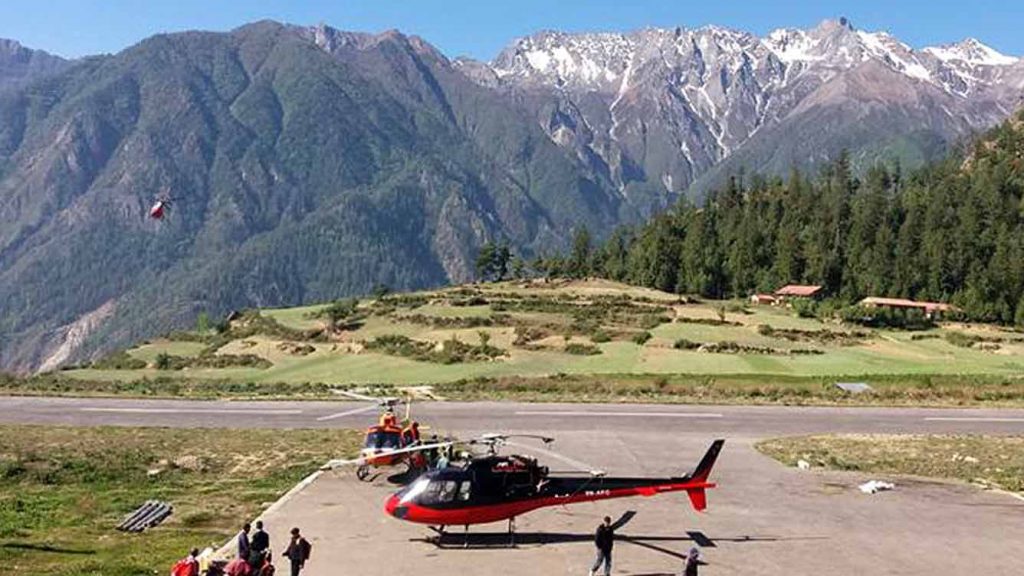
An early morning flight through the world’s deepest gorge, the Kali Gandaki, brings you to Jomsom. After landing, we begin our trek. It’s a relatively flat 3-4 hour walk along the riverbed to Kagbeni, the gateway to Upper Mustang.
Day 4: Enter Upper Mustang – Trek to Chele (3,050m)
Today is the day! After showing our special permits at the checkpoint, we officially enter the Forbidden Kingdom. The landscape changes dramatically to a barren, desert-like terrain. The trail ascends to the village of Chele. (Trek: 5-6 hours).
Day 5: Trek to Syanbochen (3,800m)
A challenging day with climbs over two passes, Taklam La (3,624m) and Dajori La (3,735m). The reward is breathtaking views and the first glimpse of the unique, eroded cliffs of Mustang. (Trek: 6-7 hours).
Day 6: Trek to Ghami (3,520m) via the Ghami La Pass
We traverse another pass, the Ghami La, and descend to the village of Ghami. Here we’ll see the longest Mani wall in Mustang, a wall made of stones intricately carved with Buddhist prayers. (Trek: 5-6 hours).
Day 7: Trek to Charang (Tsarang) (3,560m)
The trail today is gentler. We cross a river and head towards Charang, a large village with a huge, five-story white dzong (fortress) and an ancient red gompa (monastery). (Trek: 4-5 hours).

Day 8: Trek to Lo Manthang (3,840m)
The final push to the capital of Lo! A steady climb brings us to a pass, Lo La (3,950m), where you get your first awe-inspiring view of the walled city of Lo Manthang below. We descend and enter the city’s gates. (Trek: 3-4 hours).
Day 9: Exploration Day in Lo Manthang
Today we explore the ancient city. We’ll visit the Royal Palace and three major monasteries: Jampa Lhakhang, Thubchen Gompa, and Chodey Gompa, which house exquisite murals and statues dating back to the 15th century.
Day 10: Trek to Drakmar (3,820m)
We begin our return journey on a different route. We visit the ancient Ghar Gompa, one of the oldest monasteries in Nepal, before reaching Drakmar, famous for its stunning red cliffs. (Trek: 6-7 hours).
Day 11: Trek to Ghiling (3,570m)
We continue our descent through the otherworldly landscapes, retracing some of our steps but seeing them from a new perspective. (Trek: 5-6 hours).
Day 12: Trek to Chhuksang (2,980m)
The trail continues down the Kali Gandaki valley, passing ancient villages and cave dwellings carved high into the cliffs. (Trek: 5-6 hours).
Day 13: Trek to Jomsom via Kagbeni
Our final trekking day takes us out of the restricted area at Kagbeni and back to the relative bustle of Jomsom. We celebrate the completion of our incredible journey. (Trek: 6-7 hours).
Day 14: Fly from Jomsom to Pokhara
We take an early morning flight back to Pokhara, enjoying a final, spectacular mountain view from the air. Your Upper Mustang adventure concludes.
How Mantra Holidays Secures Your Upper Mustang Permit Hassle-Free
The process outlined in this upper mustang restricted area permit guide can seem daunting, but it doesn’t have to be. As a government-authorized agency, Mantra Holidays handles every detail of your upper mustang restricted area permit guide package.
- Consultation: We first confirm your itinerary and ensure you meet all requirements.
- Document Collection: We collect your original passport, visa, and passport-sized photos upon your arrival in Kathmandu.
- Application & Processing: Our expert team personally visits the Department of Immigration and the Nepal Tourism Board to submit applications, process the paperwork, and pay the fees. This saves you from navigating bureaucratic hurdles.
- Permit in Hand: We deliver the permits to you before you depart for your trek, ensuring everything is in order for a smooth check-in at the Kagbeni checkpoint.
By entrusting us with your upper mustang restricted area permit guide package, you’re not just getting a permit; you’re getting peace of mind and the expertise of a team that has managed this process hundreds of times. For more information on trekking in Nepal, you can consult the official Nepal Tourism Board website
Frequently Asked Questions
Can I trek to Upper Mustang solo in 2026?
No, solo trekking to Upper Mustang is strictly prohibited by the Government of Nepal. The regulations require a minimum of two trekkers in a group. However, if you are a solo traveler, Mantra Holidays can help by matching you with an existing group or another solo trekker with a similar itinerary.
What is the Tiji Festival and when is it?
The Tiji Festival is a vibrant three-day Tibetan Buddhist festival held annually in Lo Manthang. It celebrates the myth of a deity who saved the Kingdom of Lo from destruction. The festival involves intricate masked dances performed by monks. The dates are based on the Tibetan lunar calendar but it usually falls in May. It’s a major cultural highlight, and you should book your trip well in advance if you wish to attend.
How difficult is the Upper Mustang trek?
The Upper Mustang trek is considered moderate in difficulty. The maximum altitude reached is around 3,840 meters at Lo Manthang, so the risk of severe altitude sickness is lower than on other high-altitude treks in Nepal. However, you will be trekking for 5-7 hours daily in a dry, windy, and dusty environment. A good level of cardiovascular fitness is required.
Why is the Upper Mustang permit so expensive?
The high cost of the Restricted Area Permit (USD 500 for 10 days) is a deliberate policy by the Nepal Government. It serves two main purposes: 1) It limits the number of tourists, reducing the human impact on the fragile desert ecosystem and unique culture. 2) The revenue generated from the permits is used for conservation and community development projects within the region, directly benefiting the local people and preserving their heritage.
What happens if my trek in the restricted area takes more than 10 days?
The initial USD 500 permit covers you for 10 days inside the restricted area (from Kagbeni and back). If your planned itinerary requires more time, you must pay an additional fee of USD 50 per person for each extra day. This must be arranged and paid for when the initial permit is issued in Kathmandu. It is not possible to extend the permit once you are on the trail.
Do I need to hire a porter for the Upper Mustang trek?
While hiring a porter is not mandatory like a guide, it is highly recommended. A porter will carry your main backpack (up to 15kg), allowing you to trek with just a light daypack. This makes the daily walks much more enjoyable, reduces physical strain, and allows you to focus on the incredible scenery. It also provides valuable employment for local communities.
Book Your Adventure with Mantra Holidays
Our Office
Hattisar, Kathmandu, Nepal
Get in Touch
- Tel: +977-1-4545597, +977-1-4545598
- Mobile: +977-9801917782, +977-9851019198
- Email:[email protected]