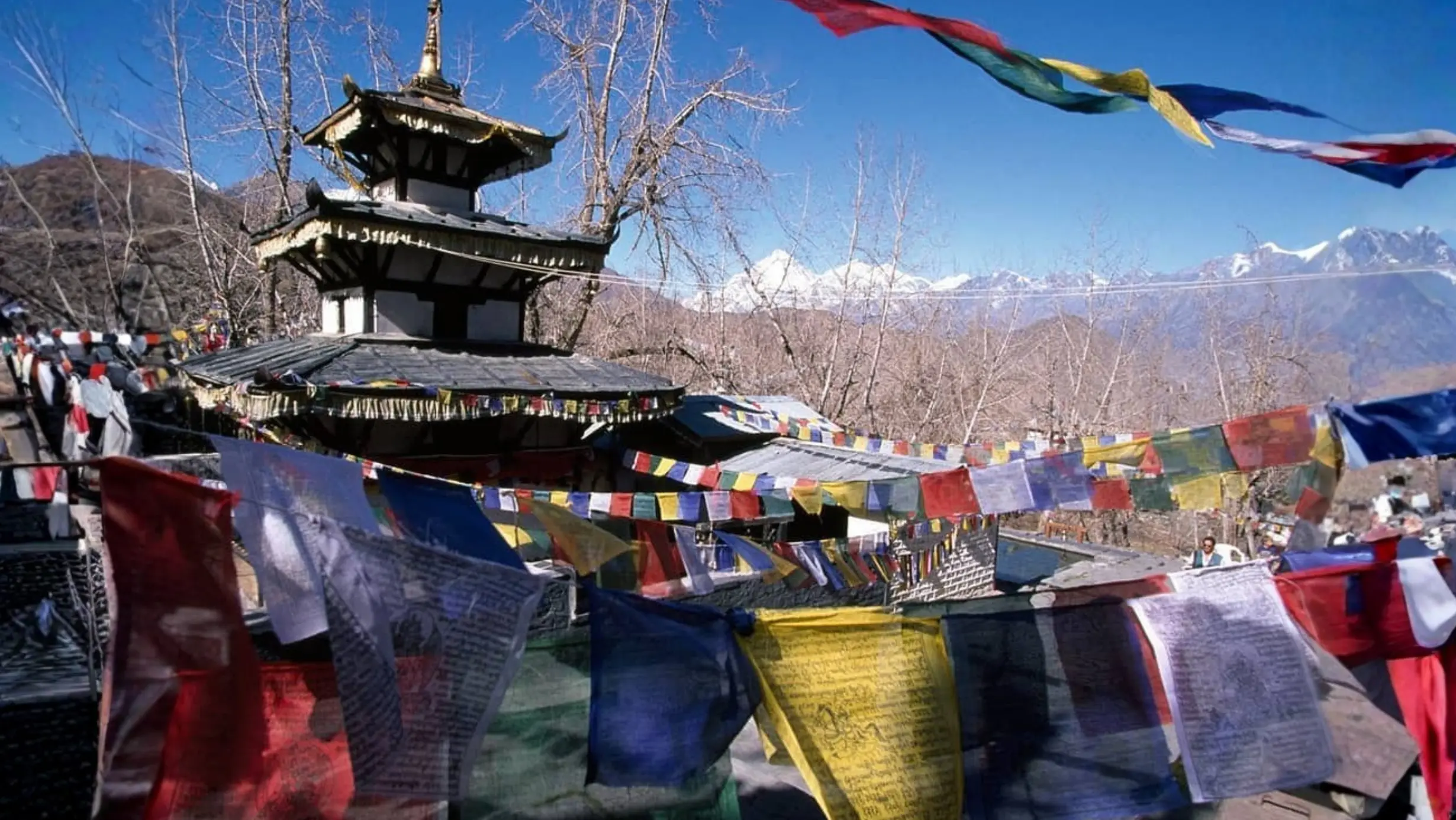
What is Special About Muktinath Temple? A Sacred Journey
Muktinath: More Than a Temple, A Journey to the Soul of the Himalayas
Discover what is special about Muktinath Temple, from its 108 sacred spouts to the eternal flame. Plan your spiritual journey to Nepal with Mantra Holidays.
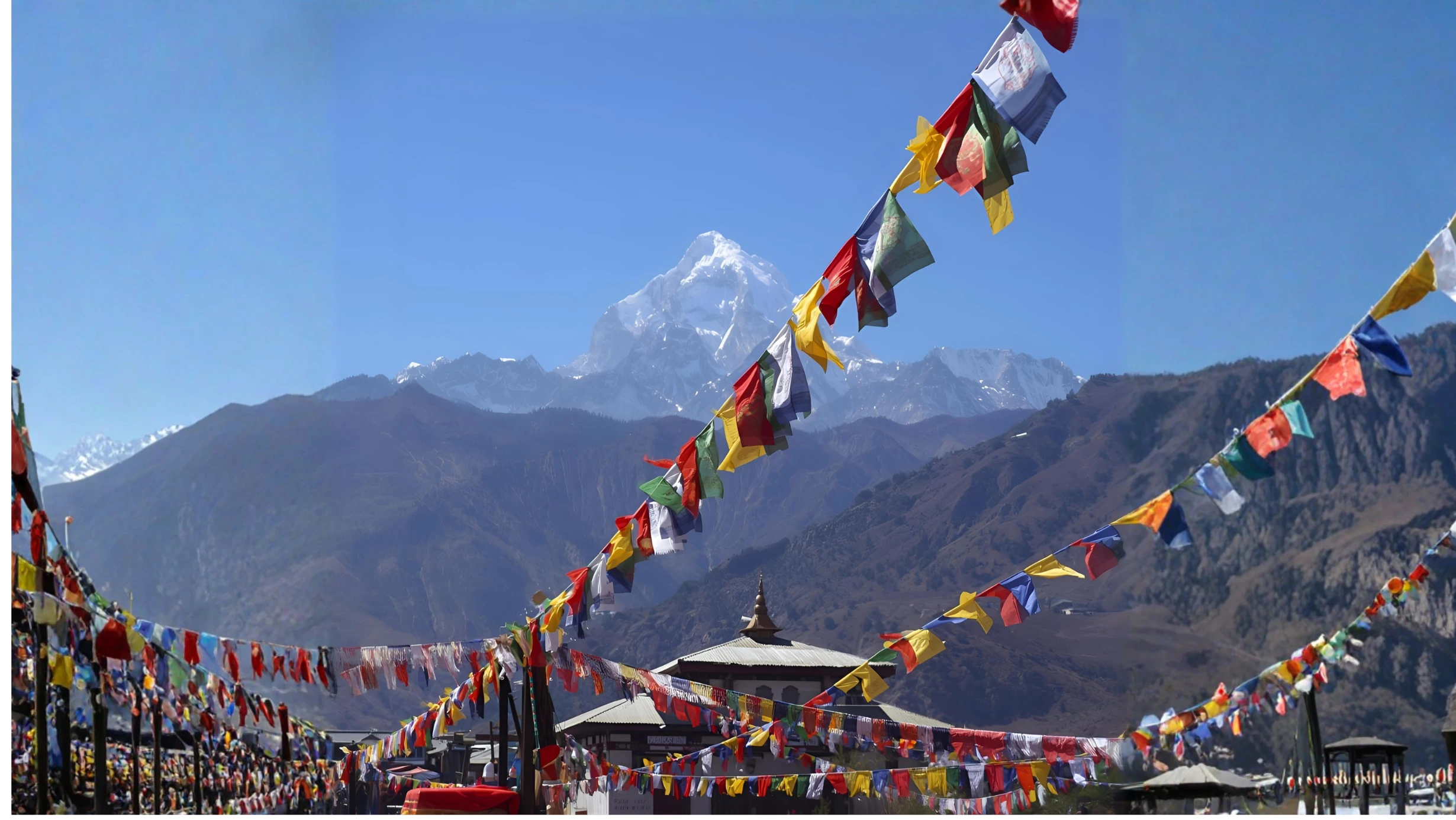
Standing at a breathtaking 3,800 meters, with the Himalayan winds whispering secrets from the Dhaulagiri and Nilgiri peaks, you’ll find Muktinath. The air here is thin, pure, and charged with a spiritual energy that has captivated pilgrims for millennia. So, what is special about Muktinath Temple? The answer isn’t a single feature but a profound convergence of faith, raw nature, and the stark, wild beauty of the Mustang valley. This is a journey that transforms you, beginning long before you arrive and resonating within you long after you depart.
Nestled in a high-altitude desert landscape that feels otherworldly, Muktinath holds a sacred position for both Hindus and Buddhists. For Hindus, it is the revered Mukti Kshetra, the ‘place of liberation,’ and one of only eight Svayam Vyakta Kshetras, making it one of the most holy sites on Earth. For Buddhists, it is Chumig Gyatsa, or ‘Hundred Waters,’ a sacred place of the Dakinis—celestial sky dancers. This shared reverence is the first clue to its extraordinary power, a place where diverse faiths find common ground in peaceful devotion.
The Sacred Waters: The Cleansing Power of 108 Muktidhara Spouts
One of the most defining experiences at Muktinath is encountering the semi-circular wall of 108 brass water spouts, the Muktidhara. In Dharmic traditions, the number 108 represents cosmic wholeness. Here, glacial water from the Himalayas gushes relentlessly through these bull-headed taps. With unwavering faith, pilgrims brave the bone-chilling temperatures to walk or run beneath this icy cascade.
It is a deeply held belief that bathing in these sacred waters cleanses the soul of negative karma accumulated over a lifetime, leading to ‘Mukti’—salvation. The initial shock of the cold is intense, but as our clients consistently share, it gives way to an exhilarating feeling of purification and spiritual rebirth. This is more than a ritual; it’s a powerful physical and spiritual reset, a moment of profound clarity and presence.

The Eternal Flame: Where Elements Unite in Harmony at Jwala Mai
A short, contemplative walk from the main temple complex leads to a humble monastery housing one of the world’s most astonishing natural phenomena. Inside the Jwala Mai Temple, a small, perpetual flame flickers from a fissure in the rock. This is the ‘eternal flame.’ What makes this truly miraculous is that it burns directly above a spring of water. Here, the fundamental elements—earth, water, and fire—coexist in a divine harmony that defies simple explanation. This powerful sight serves as a potent symbol of cosmic balance and creation, reminding us of the interconnectedness of all things.
What is the spiritual significance of Muktinath’s elements?
The impossible union of fire and water is central to understanding what makes Muktinath Temple special. It represents a sacred power that transcends the ordinary laws of nature. For centuries, devotees have made the arduous journey to witness this miracle firsthand. As an experienced guide to this region, I can attest that it is a deeply humbling experience to stand before these ancient, elemental forces, untouched by time, and feel their enduring power.

The Divine Stones: The Sacred Shaligram Hunt
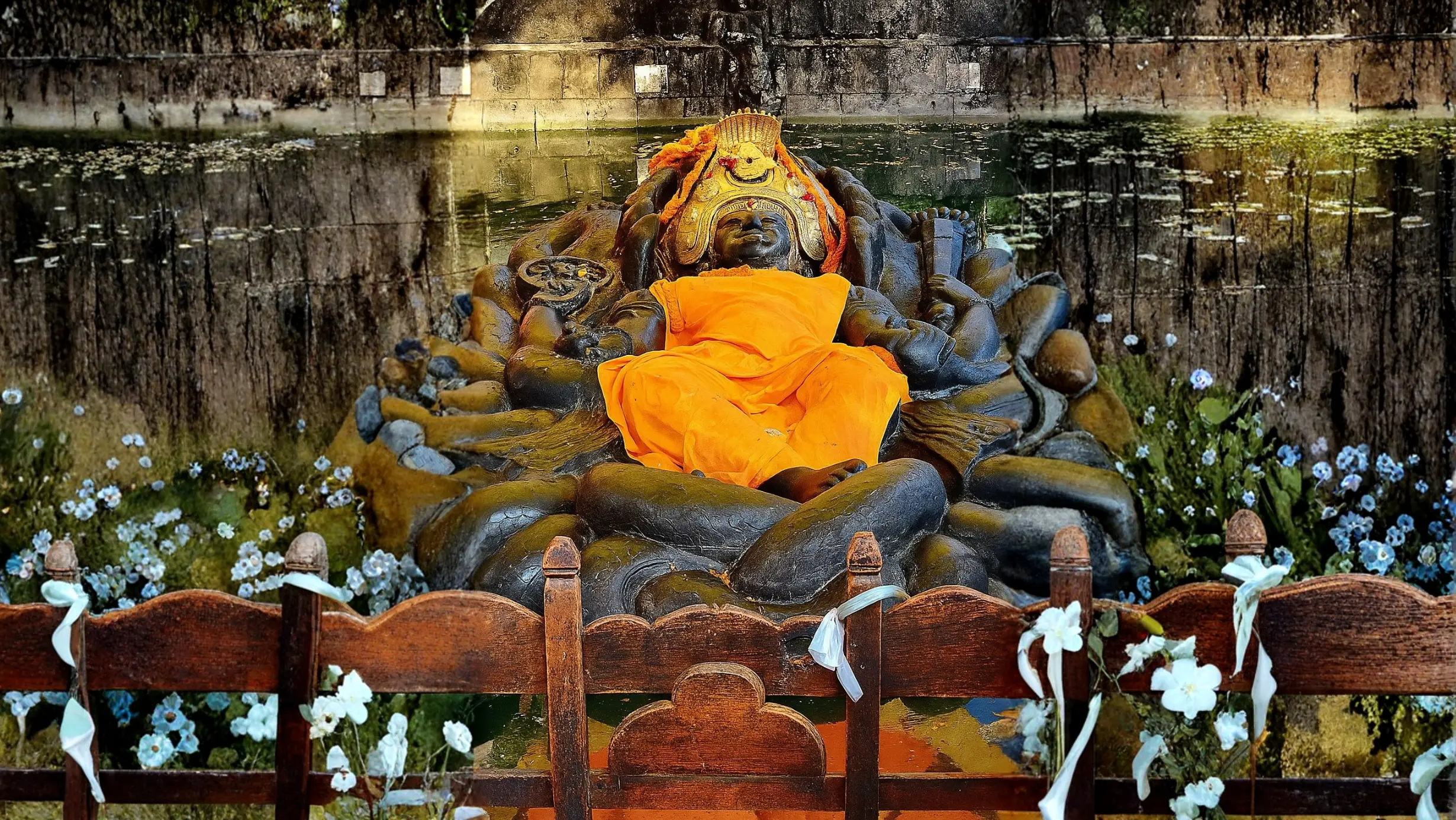
Your pilgrimage to Muktinath is intrinsically linked to the mighty Kali Gandaki River, which has carved the world’s deepest gorge through the Himalayas. This riverbed is the only place on Earth where one can find Shaligrams—black, fossilized ammonite stones revered by Hindus as a direct, aniconic manifestation of Lord Vishnu. For Vaishnavites, these are not mere symbols; they are the deity incarnate. The act of searching the riverbed for these sacred fossils is a pilgrimage in itself, connecting you to an ancient lineage of faith and the planet’s deep geological history. You can explore the scientific background of their unique formation on educational sites like Wikipedia.

How to Plan Your Journey to Muktinath with Mantra Holidays
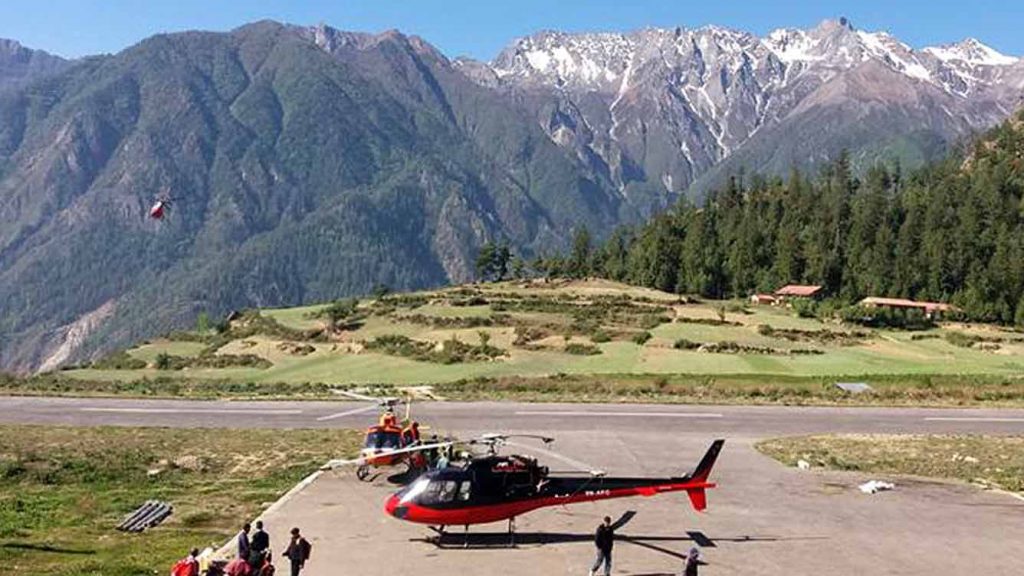
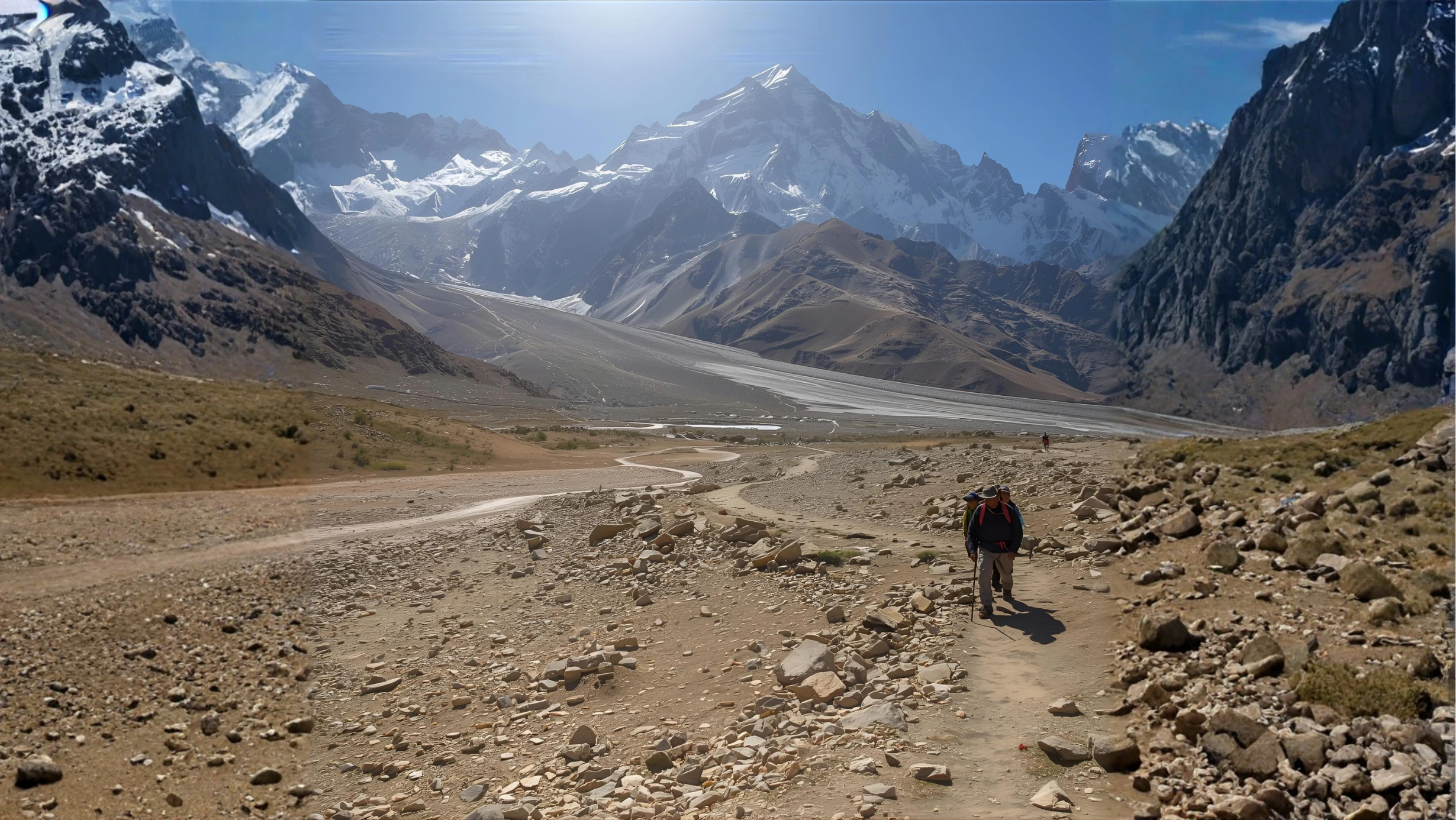
Understanding how to plan for what is special about Muktinath temple is the first step in a life-changing adventure. The journey can be tailored to your preferences. You might opt for a thrilling 20-minute flight from Pokhara to Jomsom, followed by a rugged jeep ride across a lunar-like landscape. Alternatively, you could arrive on foot, as part of the legendary Annapurna Circuit Trek. The best season for what is special about Muktinath temple is typically from March to June and September to November, when the weather is clear. Whichever path you choose, the journey is an essential part of the experience. The stark beauty of the Mustang region—with its wind-eroded canyons, ochre cliffs, and Tibetan-influenced culture—prepares your soul for the spiritual intensity of Muktinath.
Are you ready to witness this sacred magic for yourself? The cleansing waters, the eternal flame, and the soul-stirring Himalayan vistas are calling. A well-structured Muktinath temple package ensures a seamless experience, managing the complexities of permits, acclimatization, and lodging. Let Mantra Holidays craft the perfect Muktinath temple itinerary for you, balancing adventure, comfort, and spiritual depth at a transparent cost.
Contact our pilgrimage experts to begin your sacred journey:
- Address: Mantra Holidays, Hattisar, Kathmandu, Nepal
- Tel: +977-1-4545597, +977-1-4545598
- Mobile: +977-9801917782, +977-9851019198
- Email: [email protected]